The Difference Between Transparent, Semi-Transparent, and Solid Deck Stains
People seeking deck staining often want to enhance appearance and protect their wood, and local contractors can help choose and apply the right transparent, semi-transparent, or solid stain for their needs.
Understanding the difference between transparent, semi-transparent, and solid deck stains is essential for property owners looking to enhance and protect their outdoor spaces. Choosing the right stain can influence not only the appearance of a deck but also its durability and how much maintenance it may require over time. For those in the area considering a deck refresh, exploring these options can help ensure the final result aligns with their aesthetic preferences and practical needs. Local contractors specializing in deck staining can provide insights into which type of stain best suits the specific material and exposure conditions of a property, making the decision process more straightforward.
As property owners evaluate their deck staining options, it’s helpful to know that each type of stain offers different levels of visibility for the wood grain and varying degrees of protection. Whether seeking to showcase the natural beauty of the wood or achieve a more uniform, opaque finish, understanding these differences can guide a more informed choice. Local service providers experienced in deck staining are equipped to recommend the most suitable products and application techniques, ensuring the finished look meets expectations while safeguarding the deck’s longevity. Keep reading to learn how these stain types compare and how local experts can assist in achieving the desired outcome.
- Transparent deck stain - ideal for homeowners seeking to showcase the natural wood grain while providing basic protection, with local contractors applying thin coats that enhance the wood’s appearance. Semi-transparent deck stain - suitable for those wanting a balance between color and wood visibility, with service providers carefully selecting colors and applying multiple coats for even coverage. Solid deck stain - recommended when a more opaque finish is desired, with local pros using thicker applications to conceal imperfections and provide a uniform look. Choosing the right stain - local service providers assess the deck’s condition and the homeowner’s style preferences to recommend the best type of stain. Staining approach - experienced contractors tailor their techniques based on the transparency level, ensuring the finish enhances durability and aesthetic appeal.



Understanding the difference between transparent, semi-transparent, and solid deck stains is essential for homeowners planning a deck restoration or upgrade project. When searching for this topic, many people are trying to determine which type of stain will best suit their property's aesthetic, durability needs, and maintenance preferences. Homeowners often have a specific vision for how they want their deck to look-whether they prefer to highlight the natural wood grain or achieve a more uniform appearance-and these choices are directly influenced by the type of stain used. The decision also relates to concerns about protecting the wood from weathering, UV damage, and wear over time, making it a key consideration in long-term deck care plans. Local service providers who specialize in deck staining can help evaluate the existing condition of a deck and recommend the most suitable stain type to meet these goals.
The practical implications of choosing between transparent, semi-transparent, and solid deck stains are significant, especially as they relate to the property's appearance and maintenance. Transparent stains are popular for those who want to showcase the natural beauty of the wood, offering minimal coverage while providing basic protection. Semi-transparent stains strike a balance, adding color and some concealment of imperfections without completely obscuring the wood’s grain. Solid stains, on the other hand, act more like paint-covering most of the surface with an opaque finish that can hide flaws and previous finishes. Homeowners with older or damaged decks often consider solid stains to refresh and conceal surface imperfections, while those seeking a more natural look lean toward transparent or semi-transparent options. Local contractors can assist in selecting and applying the right stain to achieve the desired aesthetic while ensuring the wood is adequately protected.
The types of properties that typically come up in discussions about deck stains include residential homes, multi-family complexes, and commercial outdoor spaces. Residential decks are the most common, often built from pressure-treated wood, cedar, or composite materials, and they vary widely in size and style. Larger properties, such as multi-unit buildings or community spaces, may require more durable or uniform finishes to maintain a cohesive appearance across multiple decks. Commercial properties like restaurants or outdoor event venues also frequently invest in deck staining to enhance visual appeal and extend the lifespan of their outdoor structures. In each case, the choice of stain type is influenced by factors like the deck’s exposure to weather, the desired look, and maintenance routines. Local deck staining professionals can evaluate these property types and recommend the appropriate stain to meet both aesthetic and protective needs.
Choosing between transparent, semi-transparent, and solid deck stains ultimately depends on the specific project goals and the condition of the deck. Homeowners should consider how much of the natural wood grain they want visible, how much coverage they prefer, and how much maintenance they are willing to undertake over time. Local service providers can offer expert guidance on these decisions, helping property owners select the right stain type for their situation. Whether it’s enhancing the natural beauty of a new deck or restoring an older one with a more opaque finish, experienced contractors can ensure the application is done properly for lasting results. Connecting with local pros provides homeowners with access to tailored advice and skilled application, making it easier to achieve a deck finish that aligns with their preferences and protects their investment.
Fence staining projects involve similar surface preparation and application techniques as deck staining, requiring knowledge of wood types and finishes to achieve desired aesthetics.
Exterior wood sealing tasks demand an understanding of different stain opacity levels, making them related to the differences between transparent, semi-transparent, and solid deck stains.
Porch and patio furniture refinishing involves applying protective finishes that enhance wood appearance, paralleling the skills used in selecting the appropriate deck stain opacity.
Wood siding staining projects require precise surface prep and stain application, aligning with the skills needed to differentiate and apply various deck stain types effectively.
Outdoor pergola or gazebo finishing involves choosing suitable stain types to protect and beautify wood structures, similar to the considerations in deck stain opacity choices.
Deck restoration and sanding prepare surfaces for stain application, making them closely related to understanding how different stain opacities affect final appearance and protection.

When evaluating service providers for deck staining, it’s important to consider their experience with similar projects, particularly those involving the different types of deck stains-transparent, semi-transparent, and solid. A seasoned contractor will have a clear understanding of how each stain type interacts with various wood surfaces, ensuring that the chosen product enhances the deck’s appearance and longevity. Homeowners should inquire about the contractor’s past work on projects comparable in scope and stain type to gauge their familiarity with the specific challenges and best practices associated with each option.
Clear written expectations are essential when comparing local contractors for deck staining services. A reputable service provider should be able to articulate the differences between transparent, semi-transparent, and solid deck stains, including how each affects the look and maintenance requirements of the deck. It’s beneficial to review detailed project descriptions and scope of work, ensuring that the contractor’s approach aligns with the homeowner’s preferences. Transparent stains allow the natural wood grain to show through, semi-transparent stains offer a bit more color while still revealing wood texture, and solid stains provide a more opaque finish-clarity on these distinctions helps set realistic expectations.
Reputable references and effective communication are key factors when selecting a contractor for deck staining. Reliable service providers should be able to provide references from previous clients who had similar staining needs. This feedback can offer insight into the contractor’s workmanship, attention to detail, and professionalism. Good communication throughout the project also ensures that homeowners’ questions about stain types, application techniques, and maintenance are addressed clearly and promptly. Choosing a contractor who listens carefully and provides transparent information can help ensure that the finished deck meets expectations and that the process remains smooth from start to finish.
Property owners often search for the difference between transparent, semi-transparent, and solid deck stains when they are planning practical projects around their homes and businesses. Local pros provide Deck Staining services for everyday jobs and straightforward project options.
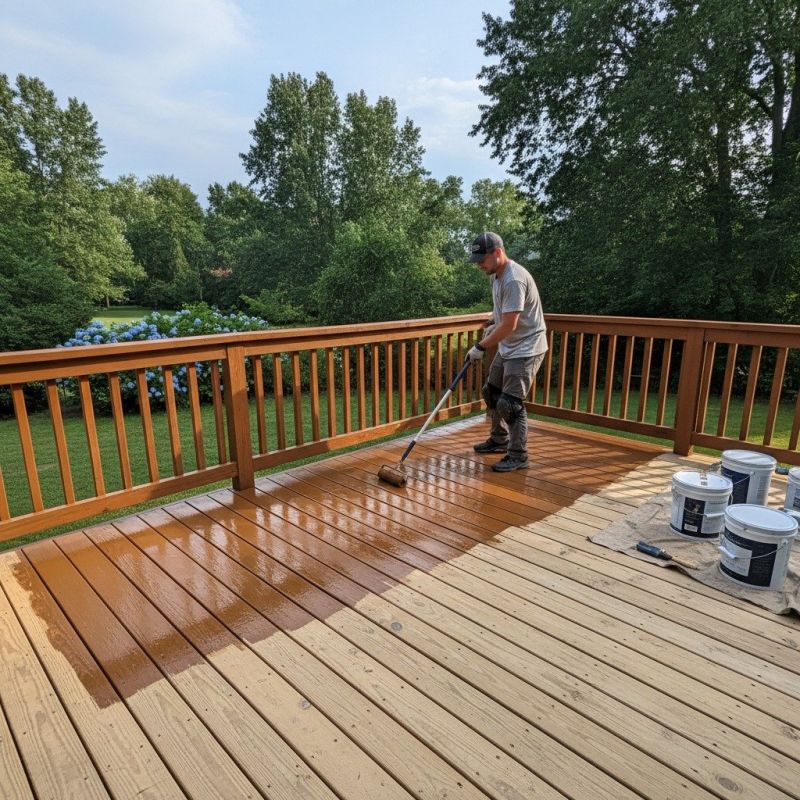

Understanding the difference between transparent, semi-transparent, and solid deck stains can help property owners choose the right finish for their outdoor spaces. Transparent stains are ideal for those who want to showcase the natural beauty of the wood while providing a light layer of protection. Semi-transparent stains offer a bit more color and coverage, helping to hide imperfections while still allowing the wood grain to show through. Solid stains provide the most coverage, creating a uniform look that can completely conceal the wood’s natural appearance, making it suitable for decks that need a fresh, consistent look or to hide previous imperfections.
Property owners in the area often look up this information when planning to refresh their decks or protect their outdoor investments. Local contractors who specialize in deck staining can help evaluate the current condition of a deck and recommend the most suitable stain type based on the desired appearance and level of protection. Whether seeking a subtle enhancement or a more opaque finish, connecting with experienced service providers ensures the right product is applied correctly, extending the life of the deck and enhancing its visual appeal.
What is the main difference between transparent, semi-transparent, and solid deck stains? The primary difference lies in how much of the wood's natural grain and color they reveal. Transparent stains offer the least coverage, allowing the wood's natural look to show through. Semi-transparent stains provide some color and highlight the wood grain, while solid stains offer the most coverage, hiding the wood's natural appearance completely.
How do local contractors recommend choosing between these stain types? Local service providers typically suggest selecting a stain based on the desired appearance and the level of protection needed. They can help evaluate the current condition of the deck and advise on which stain type will best achieve the preferred look while offering appropriate durability.
Are there differences in maintenance for transparent, semi-transparent, and solid stains? Yes, generally, transparent and semi-transparent stains may require more frequent reapplication to maintain their appearance, as they are more susceptible to weathering. Solid stains tend to last longer before needing reapplication because they provide a thicker, more protective coating.
Can local pros help with applying the right type of stain for my deck? Absolutely, local contractors can assess your deck and recommend the most suitable stain type based on your aesthetic preferences and the deck's condition. They have the experience to ensure proper application for a long-lasting finish.
What factors should influence the choice between transparent, semi-transparent, and solid stains? Factors include the desired look, the deck's exposure to weather, and how much of the wood grain you want visible. Service providers can help weigh these considerations to select the best stain type for your specific deck and preferences.
Understanding stain opacity - property owners can explore how transparent, semi-transparent, and solid deck stains differ in coverage to choose the right look for their outdoor space with help from local contractors.
Matching stain type to wood condition - selecting the appropriate stain based on the deck’s age and condition can be guided by local service providers to ensure a long-lasting finish.
Considering maintenance needs - property owners can assess how different stain opacities impact cleaning and reapplication routines when planning their deck maintenance with local pros.
Choosing aesthetic styles - deciding between the natural wood appearance or more opaque finishes can be supported by local contractors to match personal style preferences.
If you are thinking about the difference between transparent, semi-transparent, and solid deck stains for a property, this guide is meant to help you understand this topic, the typical project types, and how different options might fit your plans.
When you are ready, you can use the quote form on this page to share a few details about your project. From there, local pros can review the basics and follow up with options that match what you have in mind.